Knowledge

Product Recommendation | Simplified Wiring, Worry-Free Outside the Cabinet — Solidot 5-Series All-in-One I/O Module
In industrial project sites, space constraints inside control cabinets are becoming increasingly common — more sensors, more terminal blocks, tighter cabinet space, leading to higher installation and material costs. Addressing these pain points, Solidot's 5-Series All-in-One I/O Module provides targeted solutions, effectively simplifying on-site I/O module deployment.
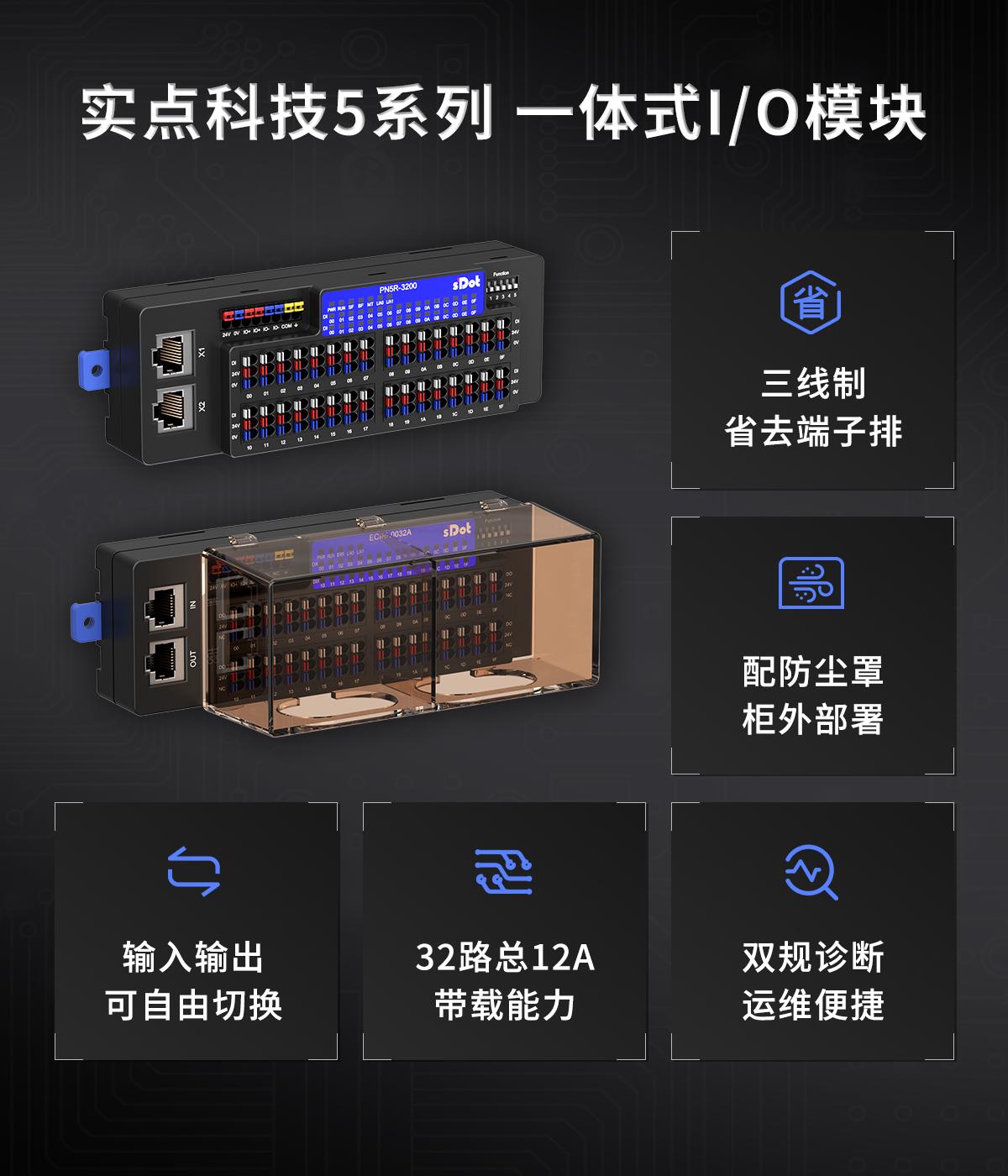
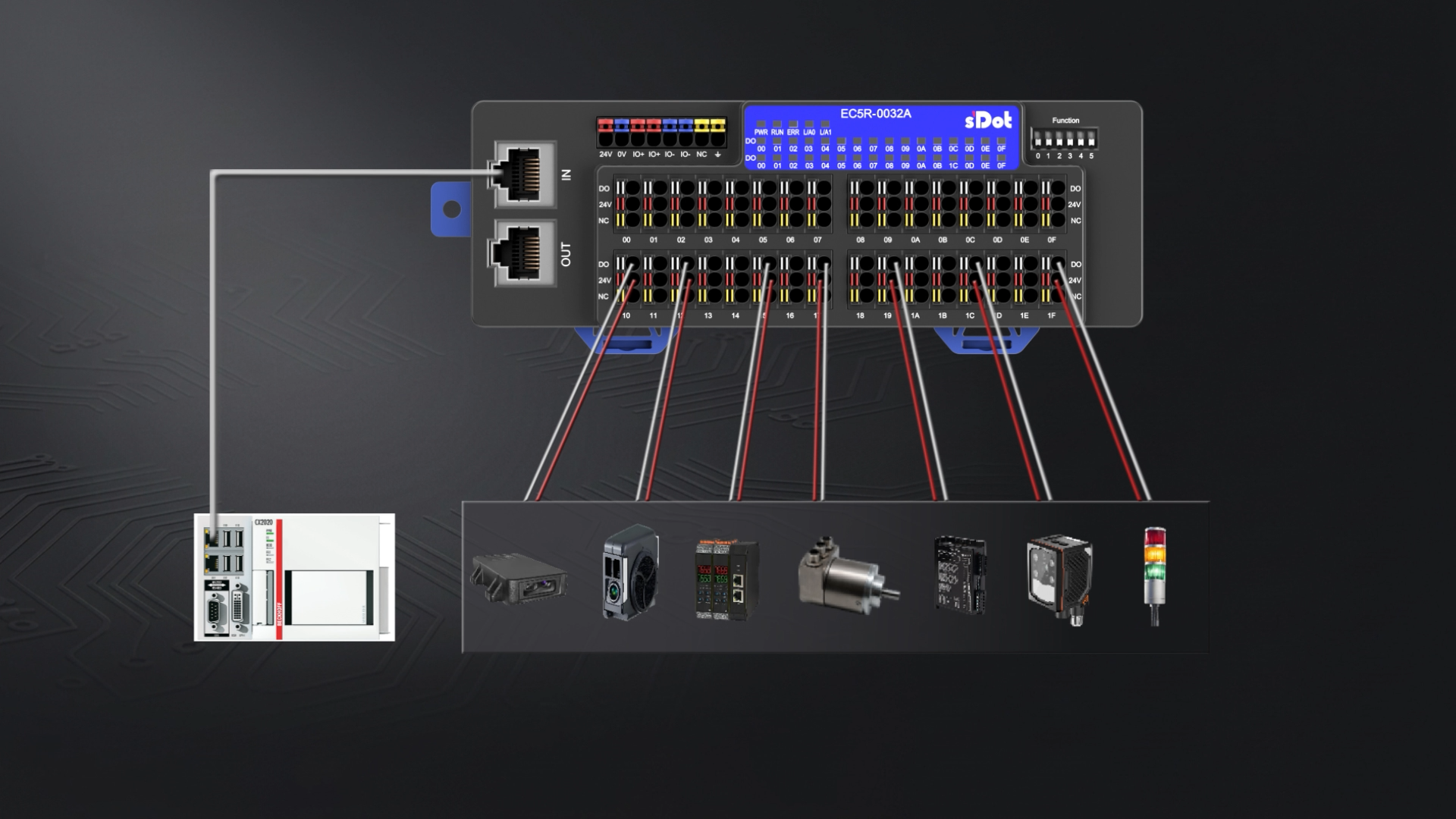
Three-wire sensors can be directly connected, eliminating intermediate terminal blocks: In traditional solutions, sensor connections require numerous terminal blocks, occupying cabinet space and adding extra material costs. The 5-Series All-in-One I/O supports direct connection of three-wire sensors without terminal blocks, freeing up cabinet space at the source.
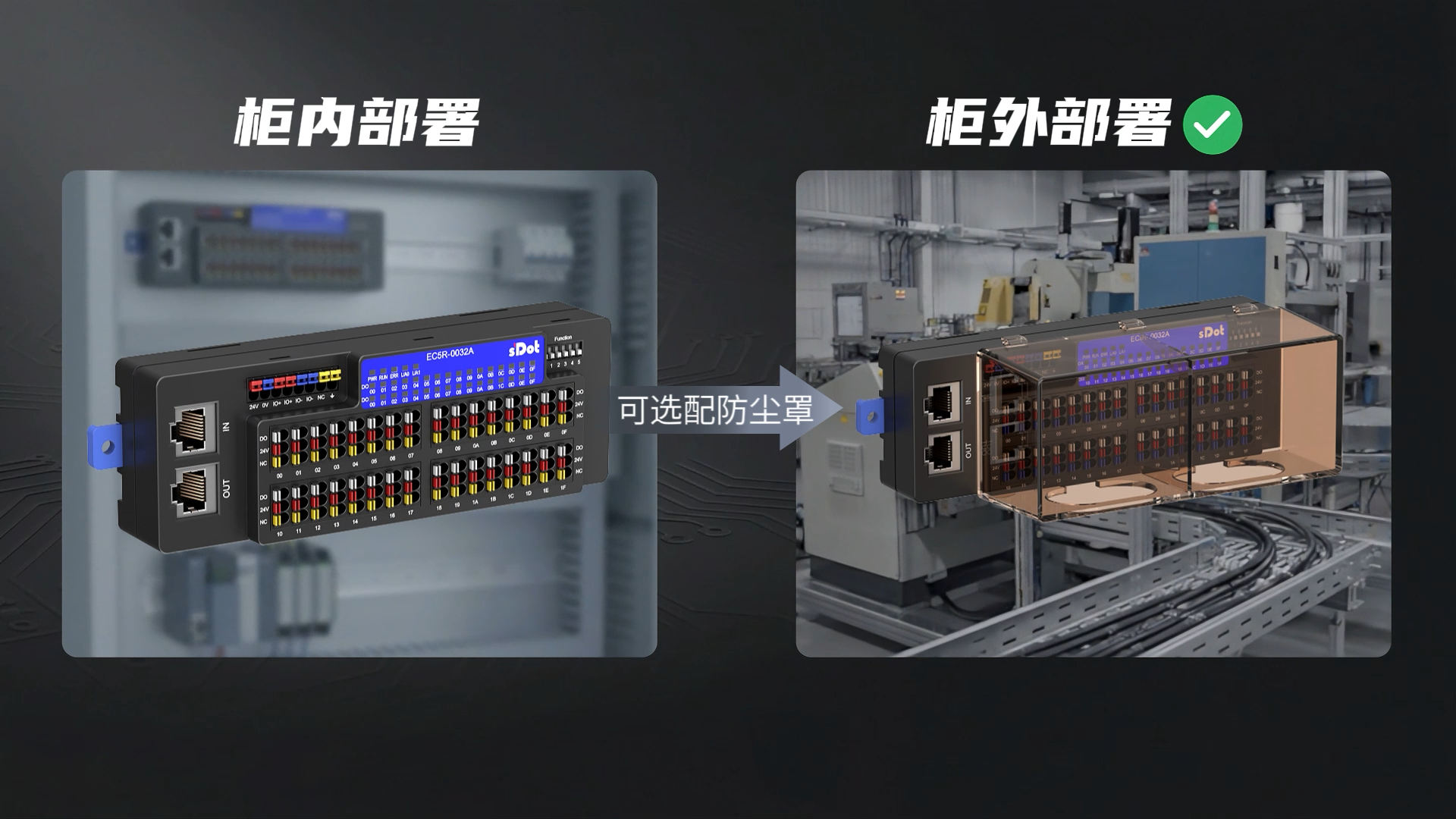
Conformal coating + dust cover, supporting deployment outside the cabinet: Full coverage of professional conformal coating on the PCBA board, together with a dust cover, allows the module to be deployed directly near field devices, enabling more flexible bus I/O layout.
Spring-type terminals, press-to-lock: Adopting highly reliable spring-type terminals, wiring is "press-to-lock" without tools, reducing installation time while ensuring connection stability during long-term operation.
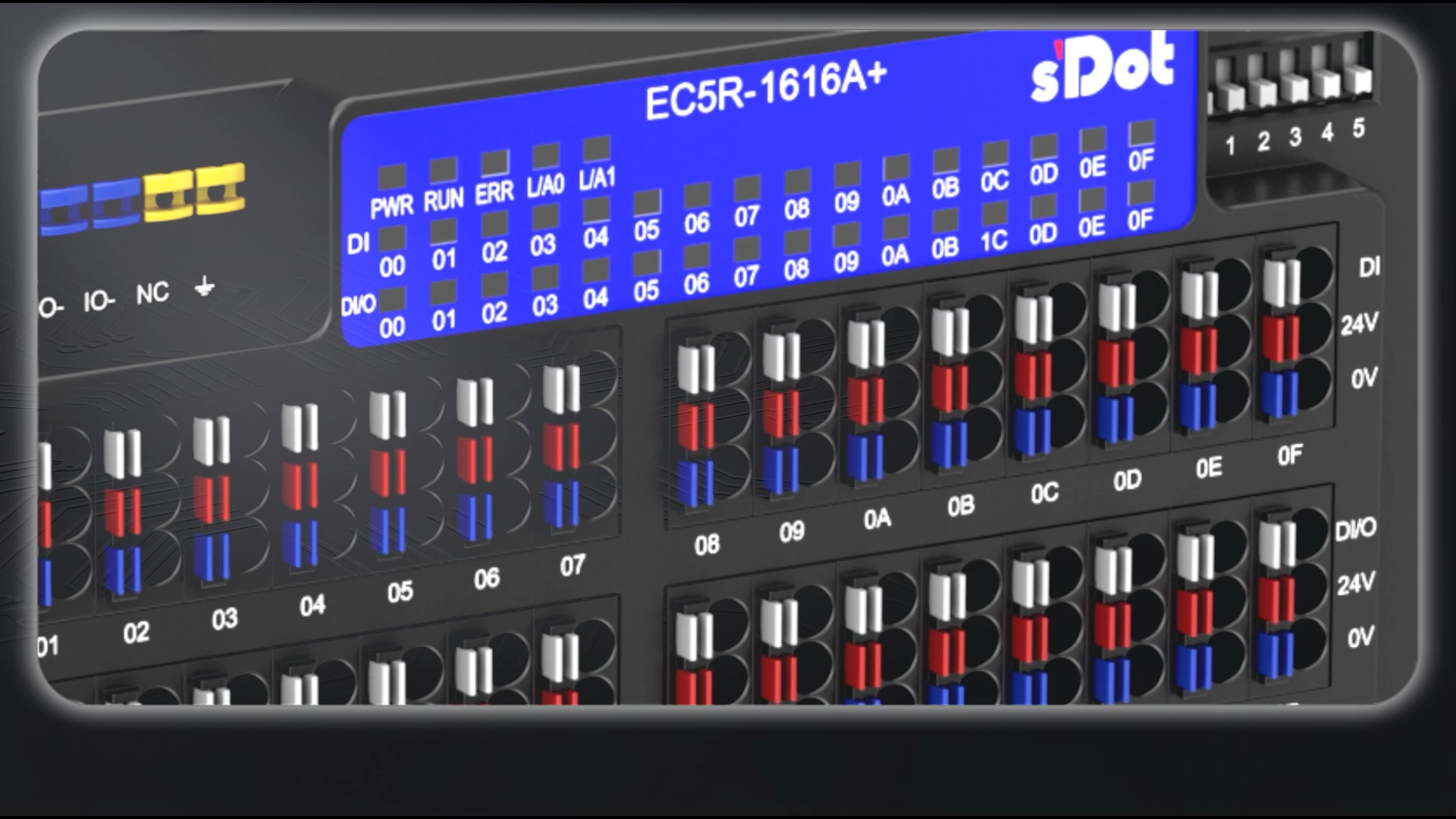
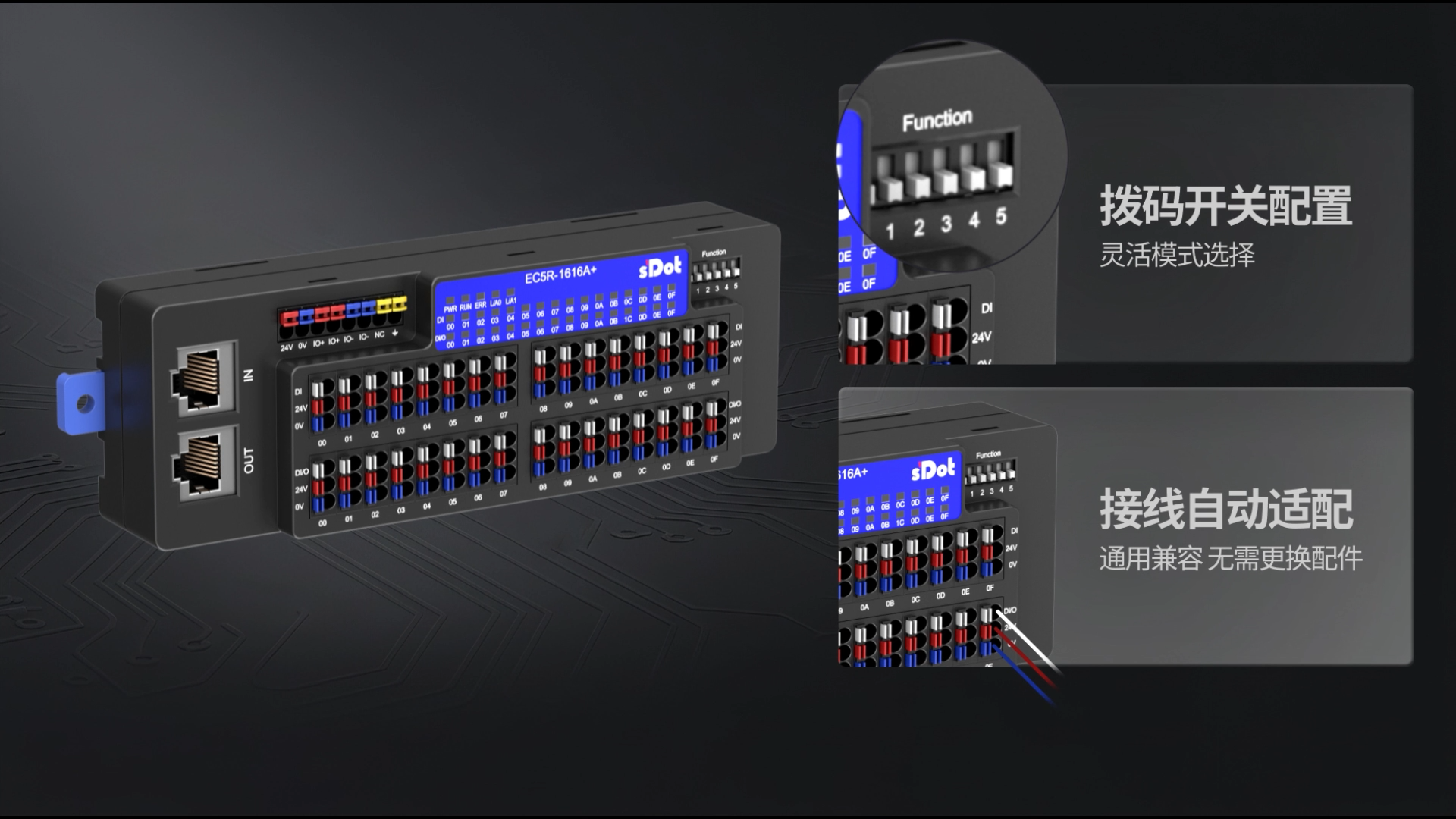
DI/DO freely switchable, flexibly adapting to point requirements: In 16-channel input / 16-channel input-output compatible modules, the last 16 channels can be freely defined as DI or DO; either manually configured via DIP switches, or automatically adapted based on wiring method, flexibly responding to future production line upgrades.
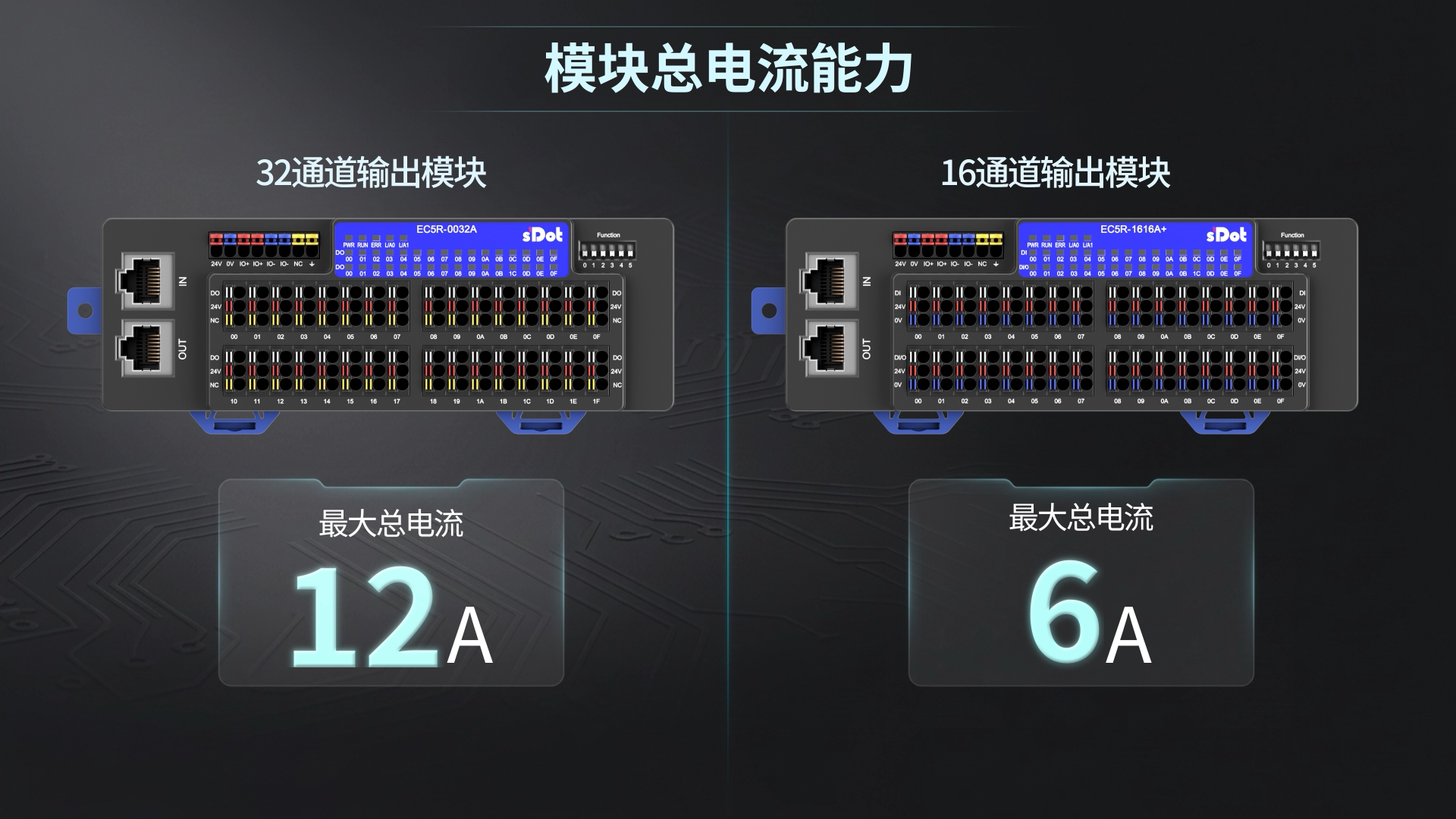
Rich specifications covering mainstream application scenarios: Available in 32DI, 32DO, 16 in/16 out, etc. Among them, the 32-output module has a maximum total current of 12A, ensuring strong load capacity.
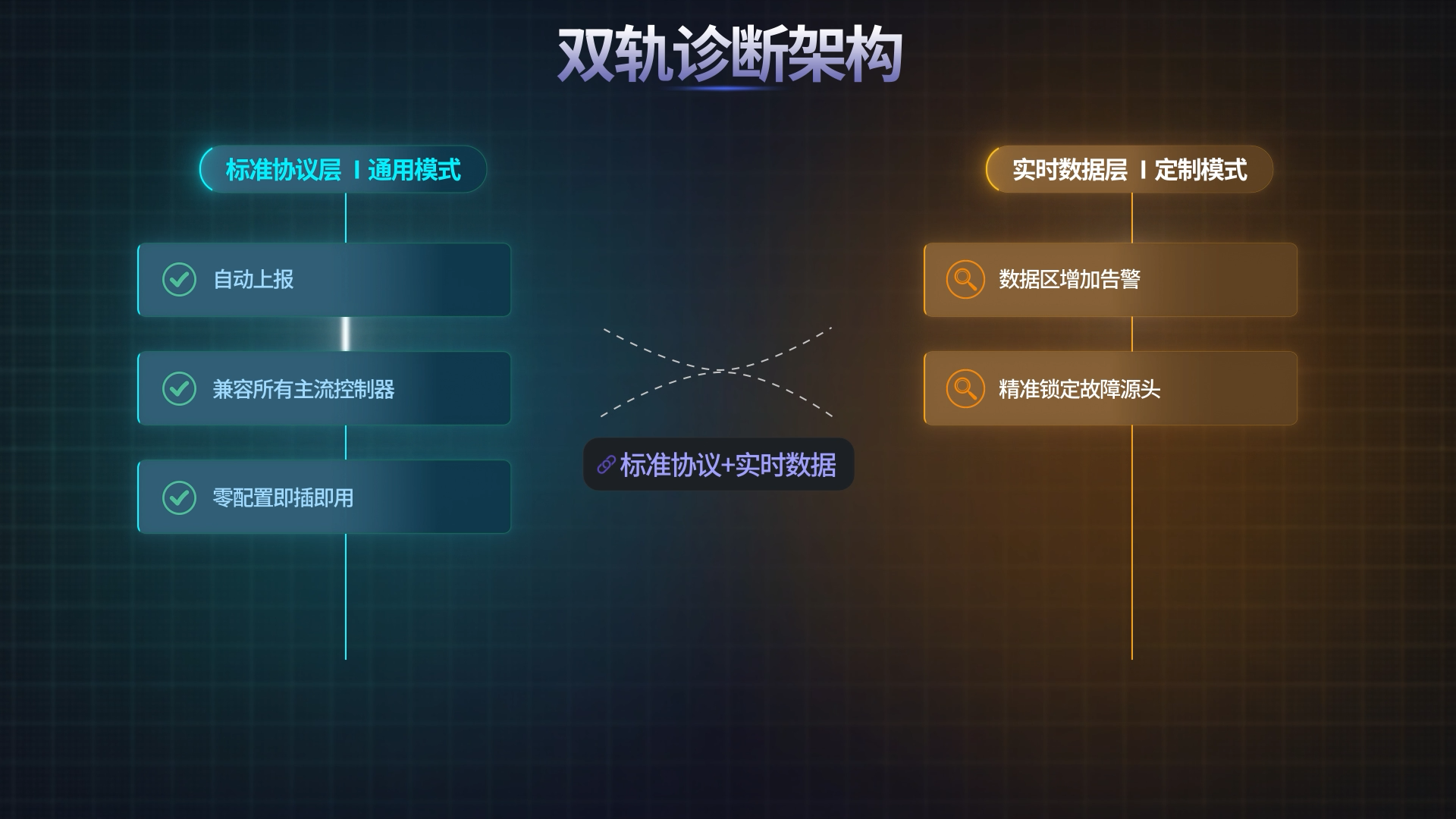
Dual-track diagnostic architecture, easy maintenance: Through a "standard protocol + real-time data" dual-track diagnostic architecture, fault localization is upgraded from manual point-by-point inspection to system proactive reporting. General mode: automatically reports via standard protocol layer, compatible with mainstream controllers. Custom mode: supports adding alarm information in the data area, helping maintenance personnel precisely locate the fault source.