Knowledge

Application of Solidot C3 Series Valve terminal in a power Battery Shell Production line
The power battery shell is a key component of the traction battery in new energy vehicles. Its machining accuracy and consistency directly affect the safety and service life of the battery pack, which places stringent requirements on the reliability of pneumatic control in the production line. Actions such as clamping, positioning and feeding are closely interlinked; if any step responds late or fails to complete its motion, product quality and line cycle time may suffer. Thanks to outstanding advantages such as high integration, simple piping, fast response and easy maintenance, the fieldbus valve terminal has become the mainstream choice for pneumatic control in this type of production line. This case study takes a power battery shell production line as its subject, presenting the application of the Solidot C3 valve terminal and providing a reference for the upgrade and retrofit of similar production lines.
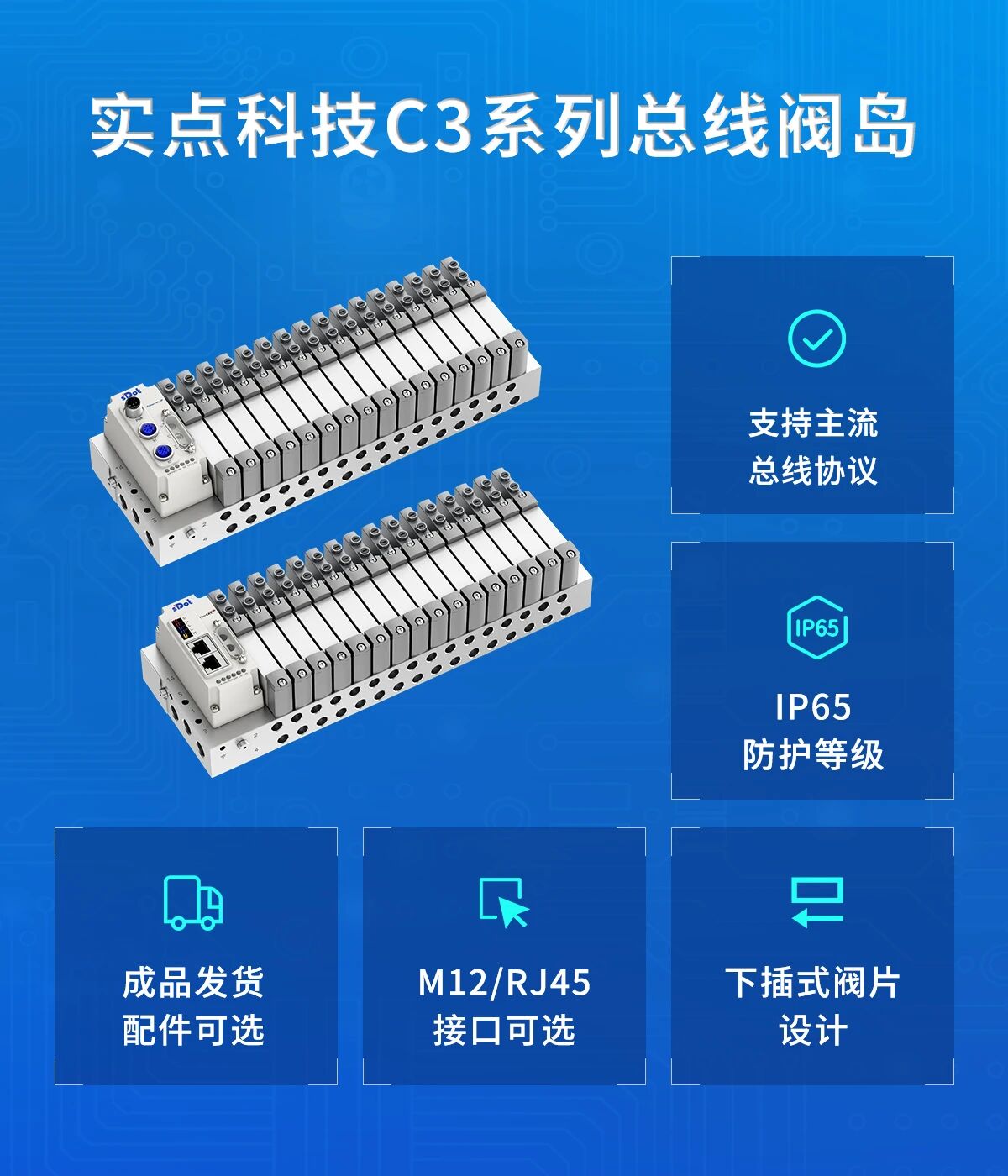
Solidot products used in this case study
C3 series valve terminal (24-slice)
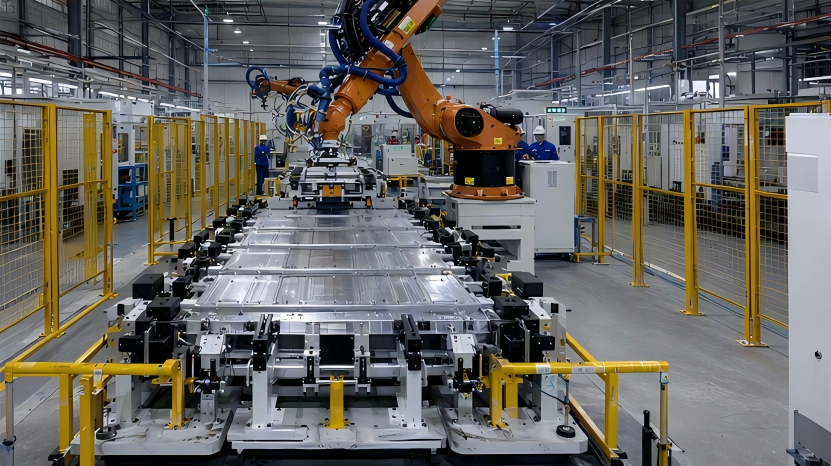
Equipment overview
In a power battery shell production line, each battery shell model is generally assigned a dedicated set of tooling fixtures. During machining, the fixture holds the battery shell in place, and clamping and positioning actions are performed by cylinders to ensure stable workpiece position and uniform force application, providing reliable support for high-accuracy machining. Around the clamping and positioning step, the main workflow is as follows:
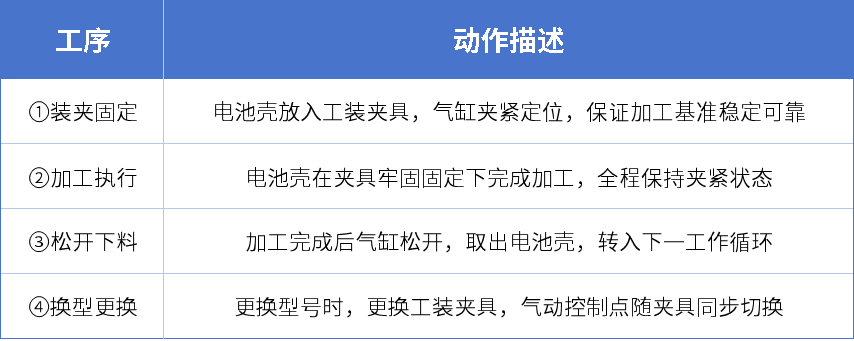
Solidot solution
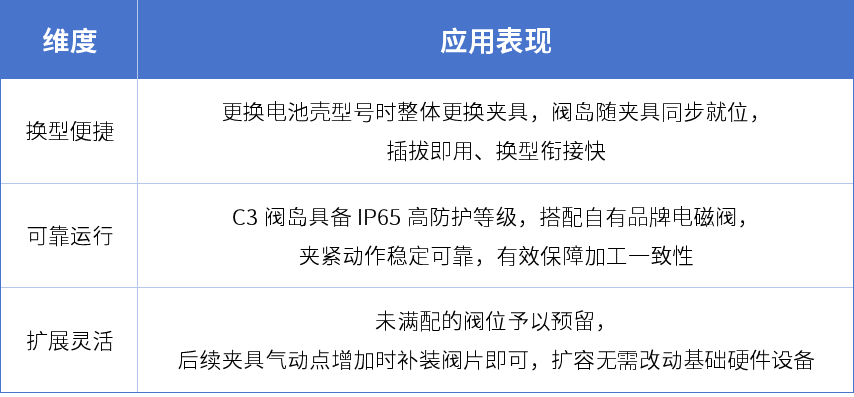
The equipment is designed for flexible production of multiple battery shell models, and each battery shell model requires a corresponding set of tooling fixtures. During changeover, the entire fixture is replaced, and the pneumatic control points on the fixture are relocated accordingly. This solution configures the pneumatic control unit together with the tooling fixture as a set: one C3 valve terminal is installed on each set of tooling fixtures, and the valve terminal is replaced together with the fixture. On the bus side, only the communication cable and power cable need to be plugged and unplugged to switch all control points as a whole, with no rewiring required. Multiple fixture control stations across the entire production line share one bus network, making changeover a simple "plug and play" operation. Production preparation time is greatly shortened, and changeover is simpler and more reliable.
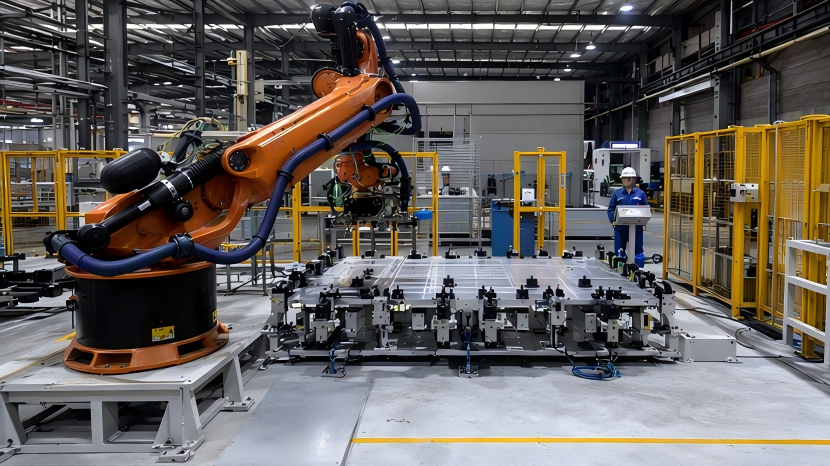
Solution architecture
Control layer:
A Siemens S7-1200 PLC serves as the core controller, handling logic scheduling, action sequence programming and cycle time coordination for the overall machining process, and centrally managing all actuators.
Network layer:
The C3 valve terminal is connected to the PLC via the PROFINET fieldbus. A single bus supports flexible deployment of multiple stations, resulting in a simple network topology with a clear structure that is easy to expand later.
Field layer:
The 24-slice C3 valve terminal is mounted directly on the tooling fixture body, driving the clamping and positioning cylinders locally to shorten the air path and improve response speed. Solenoid valves are fitted according to the actual number of cylinders on the fixture, and the extra valve slices are reserved for expansion, balancing current needs with future upgrades.
Application results
Solidot C3 series valve terminal
The Solidot C3 valve terminal supports up to 24 double solenoid valves. The unit has an IP65 high protection rating, allowing it to cope with harsh industrial environments such as dust and oil contamination. The valve terminal is equipped with solenoid valves from our own brand, features a low-power design and supports online firmware upgrades. It is shipped as a finished product, and accessories such as air hose fittings can be flexibly configured to suit on-site process requirements. It is compatible with mainstream industrial bus protocols such as PROFINET, EtherCAT and EtherNet/IP. With its outstanding characteristics of high integration, high protection and easy expansion, the C3 valve terminal is now widely used in automation scenarios with high cycle rates and high reliability requirements, such as automotive manufacturing, 3C electronics and new energy, helping users build stable and efficient pneumatic control systems.