Knowledge

The application of Solidot XB6 series EtherNet/IP slice I/O module in the automatic syringe assembly machine in the medical industry
Syringes are extremely common medical devices consumed in huge quantities. Although the syringe needle looks tiny, its manufacturing process is quite complex. First, stainless steel material is processed and welded into a tubular structure, then cold-worked multiple times to increase the hardness of the needle tube. Next, it is cut and rinsed repeatedly to grind a sharp point at the tip. Only after passing inspection can it proceed to the assembly stage.
Manual assembly of syringe needles is inefficient and prone to causing needle-stick injuries, and it also fails to improve the product yield rate. To solve these problems, automatic syringe needle assembly machines have emerged, greatly improving assembly efficiency and enabling batch production. This case study focuses on the application of Setpoint Technology's XB6 series EtherNet/IP Slice I/O Module in the automatic syringe needle assembly production process.
Description of the automatic syringe needle assembly process
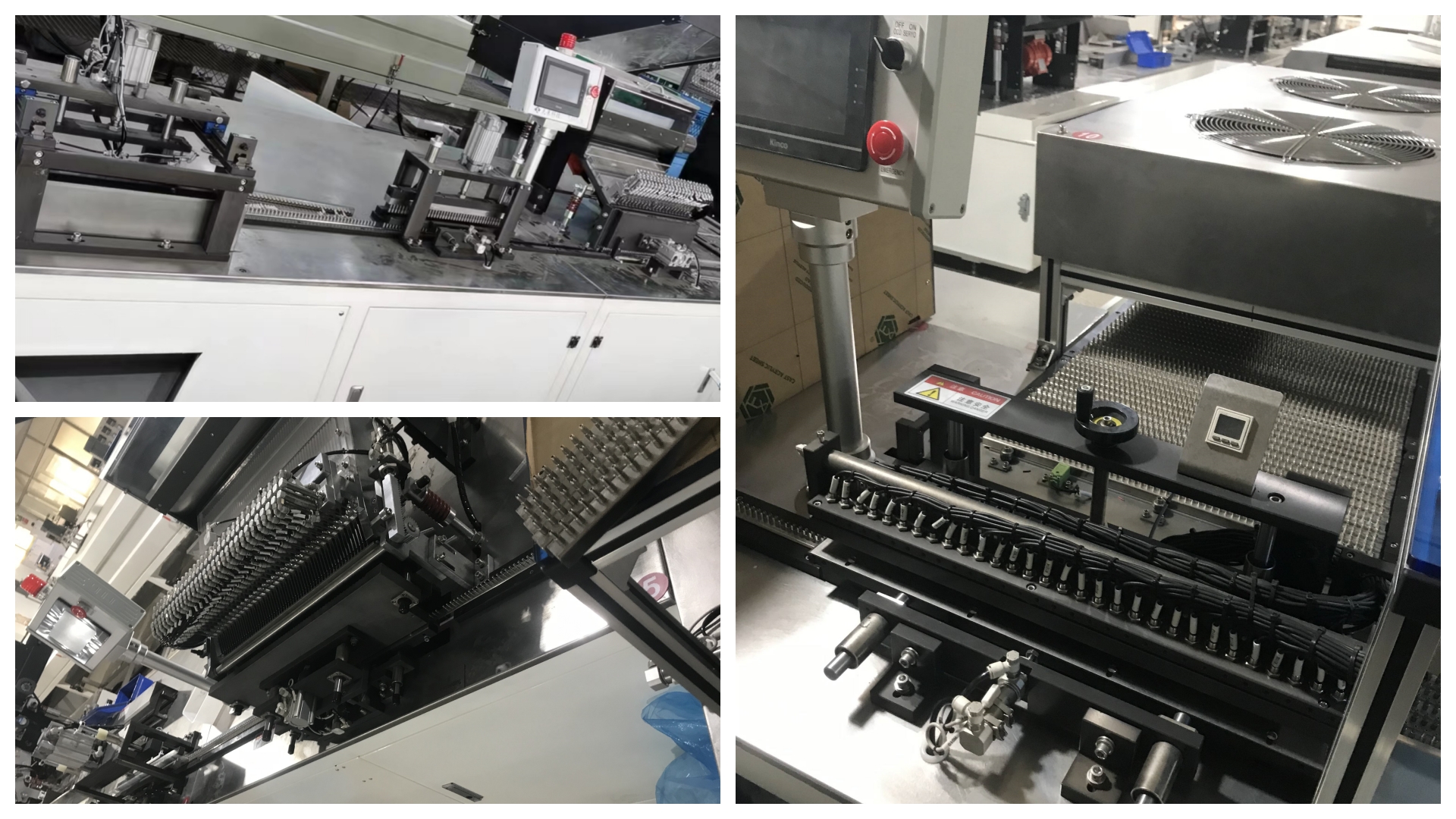
▲ On-site device diagram
The needle base is placed on the tooling strip, and the needle tube is inserted. Keyence optical fiber sensing heads and optical fiber amplifiers are used for needle tube positioning to ensure the tube is properly located before dispensing. Then, an SMC solenoid valve is controlled to open/close to regulate the device pressure, with the appropriate dispensing volume and speed set to bond the needle tube and base together, followed by drying in an oven. After dispensing, the syringe needle needs to undergo burr detection and blockage detection using an image measuring instrument, and defective products are rejected. In addition, the syringe needle needs to be siliconized to minimize friction during puncturing and improve the sharpness of the needle tip. Finally, a sheath is installed on the needle tube before unloading.
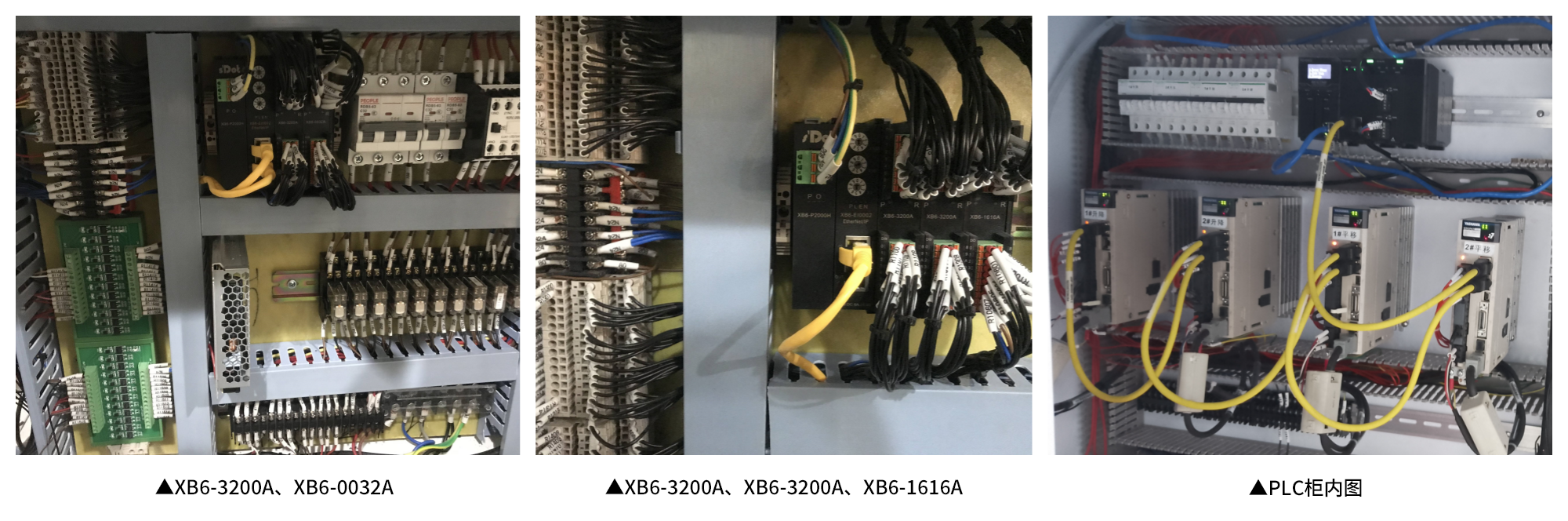
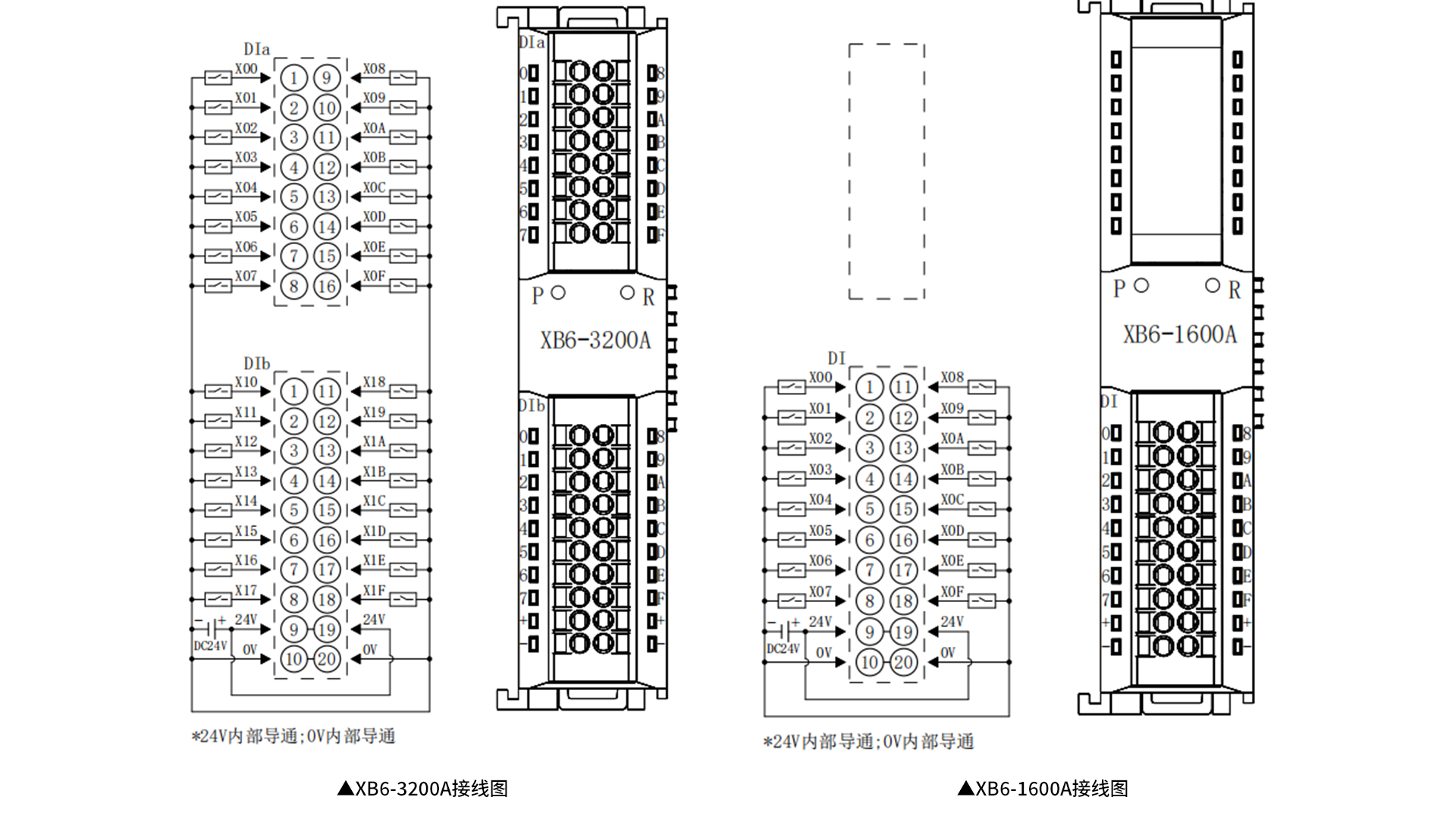
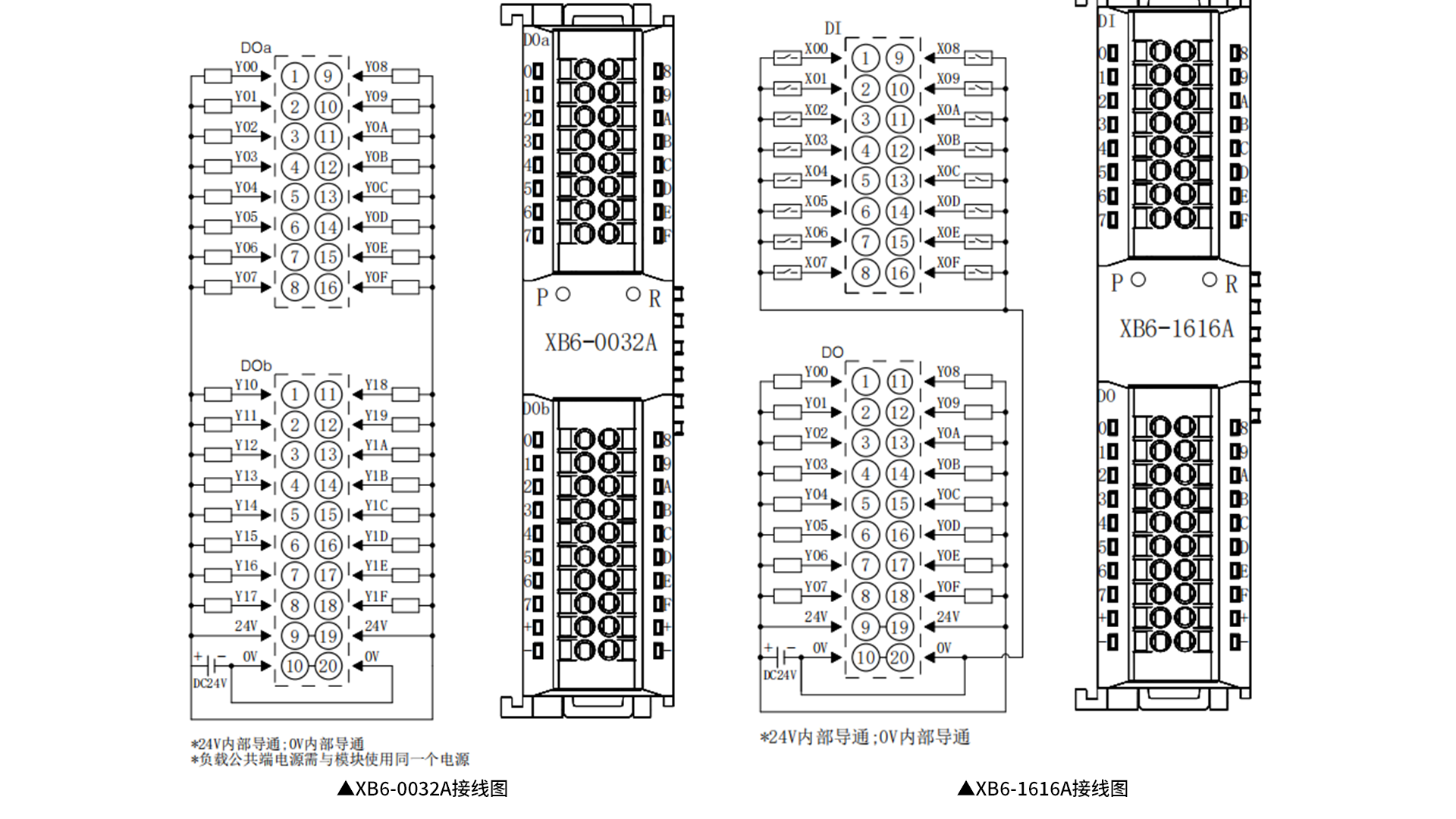
Throughout the production process, a large number of photoelectric sensors, optical fiber sensors, solenoid valves, cylinders, image measuring instruments, and other devices need to be connected to the control system. With numerous signals and devices scattered across various locations, using the XB6 series Slice I/O Module for remote connections effectively solves this problem. The sensor detection signals in production are collected by the XB6-3200A and XB6-1600A modules, while actuator signals such as cylinders are controlled by the XB6-0032A module.
Setpoint Technology remote I/O module cabinet installation diagram

▲ XB6-3200A, XB6-1600A, XB6-0032A
Setpoint Technology remote I/O Module Wiring Diagram
[PLC software configuration]
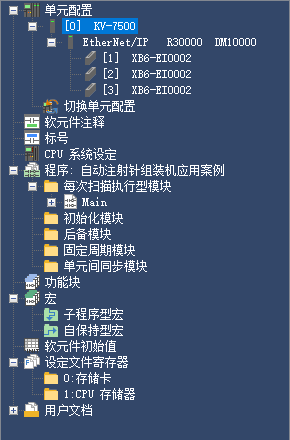
▲ Configuration screen
Introduction to Setpoint Technology's EtherNet/IP products
Setpoint Technology's XB6 series EtherNet/IP I/O module measures only 106 x 61 x 47 mm and is compatible with most EtherNet/IP Masters from Keyence, Omron, Schneider, ABB, and others. It features a high-speed X-bus backplane bus, a maximum scan cycle of 1 ms, and an IP20 Protection Rating.
In the above application of the automatic syringe needle assembly machine, the on-site solution provided by Setpoint Technology meets the needs of connecting scattered devices and collecting large volumes of signals. In addition, this I/O module offers the following advantages:
*Compact module size, saving space inside the control cabinet
*Simple configuration, saving project design time
*Convenient installation and wiring, shortening assembly time
*Flexible combination of Module Models, providing customers with flexible application solutions
*Expandable to up to 32 I/O modules, adapting to various application scenarios
Over the years, Setpoint Technology has remained committed to the automation industry, accumulating deep technical expertise in the field of bus products. As domestically developed products have become increasingly mature and stable in recent years, Setpoint Technology's digital solutions will reach more industries and continue to earn growing recognition from customers.
Recommended Products

XB6-3200A
32 DI, NPN, European style terminal

XB6-1600A
16 DI, NPN, European style terminal

XB6-0032A
32 DO, NPN, 0.5A, European style terminal

XB6-EI2002ST
EtherNet/IP Coupler kit (with power supply, end cover )

XB6-1616A
16 DI 16DO, NPN, 0.5A, European style terminal