Knowledge

The application of Solidot's remote I/O module XB6S in waste emulsified liquid treatment equipment
The waste emulsion treatment equipment is an environmental protection device that achieves efficient treatment of waste emulsion through high-temperature and high-pressure processing, gas-liquid separation and oil-water separation technologies. The equipment uses a high-temperature and high-pressure environment to let part of the volatile gases in the emulsion escape, and then uses physical separation technology to thoroughly separate the oil phase from the water phase. The oil phase is recovered for reuse, while the water phase is treated to meet discharge standards. It is widely used in machining, metal manufacturing, automotive manufacturing and other industries, featuring high treatment efficiency, a high resource recovery rate and strong environmental performance.
The Solidot products used in this case study include XB6S-PN2002, XB6S-3200, XB6S-0032B, XB6S-A80I and XB6S-A08I
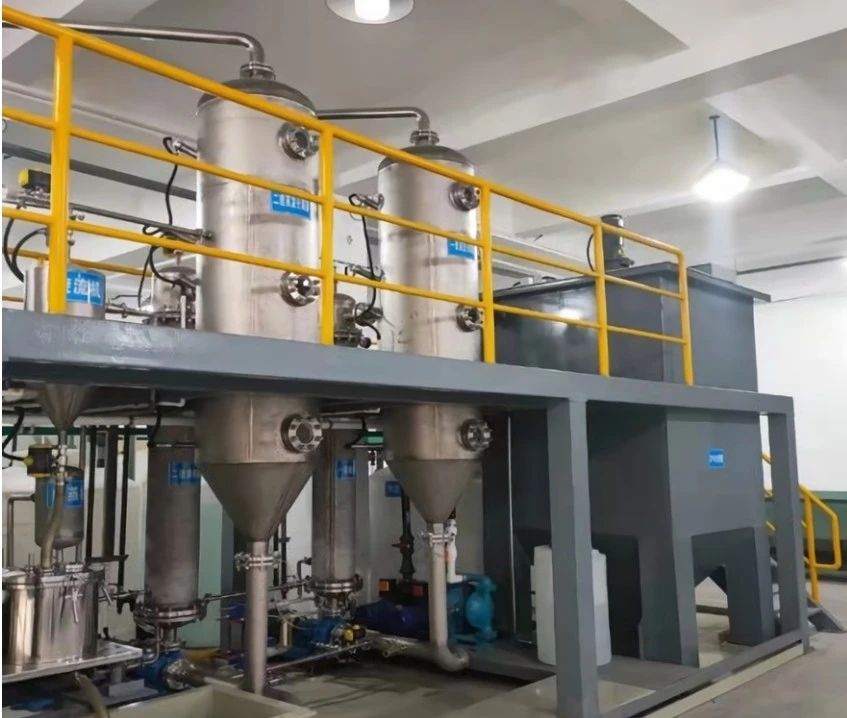
1. Production process Introduction
Waste emulsion treatment equipment workflow: feeding → high-temperature and high-pressure processing → gas-liquid separation → oil-water separation → oil recovery → water treatment and discharge
[Feeding]
After pretreatment, the waste emulsion enters the high-temperature compression unit through the pumping system.
[High-temperature and High-Pressure Processing]
In a high-temperature and high-pressure environment, the volatile components of the emulsion (such as water and solvents) partially vaporize, forming a gas-liquid mixture.
[Gas-Liquid Separation]
The gas-liquid mixture enters the separation tank, where pressure regulation achieves preliminary separation of gas and liquid. The gas is recovered by condensation or subjected to harmless treatment.
[Oil-Water Separation]
The remaining liquid enters the oil-water separation unit, where density differences and centrifugal technology are used to thoroughly separate the oil phase from the water phase.
[Oil Recovery and Water Treatment]
The separated oil phase is delivered to an oil storage tank for reuse; the water phase enters the water treatment system, where processes such as neutralization and filtration bring it to discharge standards.
2. I/O module Application mode
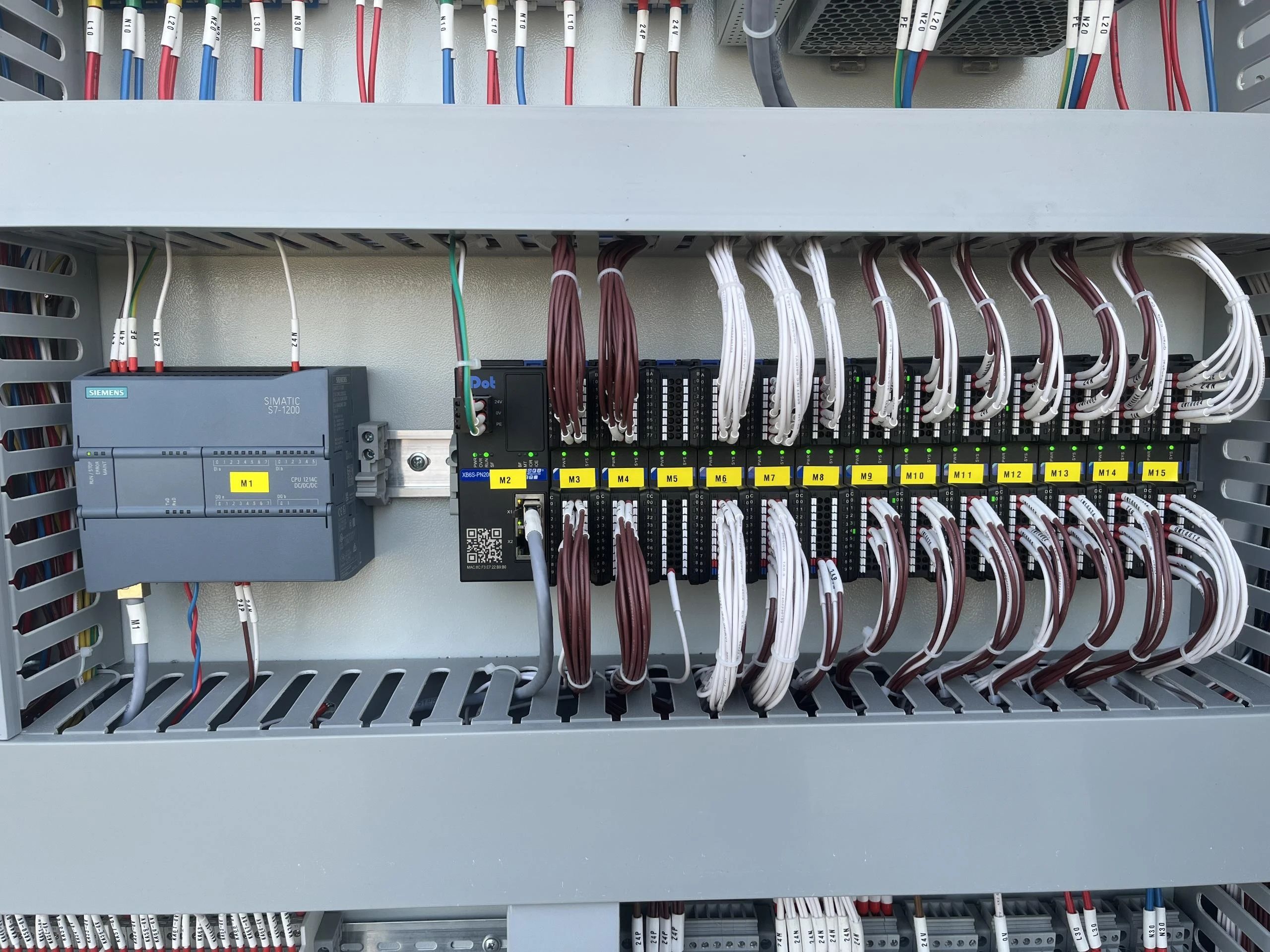
The equipment uses PROFINET protocol communication. The digital input/output modules XB6S-3200/XB6S-0032B and the analog input/output modules XB6S-A80I/XB6S-A08I are connected to the PLC via the PROFINET protocol Coupler XB6S-PN2002.
XB6S-3200/XB6S-0032B acquire/output the digital signal of the equipment, such as the start/stop of the feed pump and the opening/closing of the exhaust valve of the gas-liquid separation tank; XB6S-A80I/XB6S-A08I acquire/output the current signals of the sensors at each process stage, indirectly obtaining process parameter information such as temperature, pressure, level and flow. Working together, they not only enable real-time monitoring of the equipment and provide a basis for control system decisions, but also transmit signals according to PLC commands to drive actuators.
Compared with the customer's original bus I/O solution, the Solidot XB6S series remote I/O modules are more reliable and offer stronger interference immunity. At the same time, the easy wiring method and convenient configuration operations shorten the bus I/O deployment cycle and ensure rapid project implementation for the customer.
3. Highly Reliable remote I/O modules: XB6S Series Products
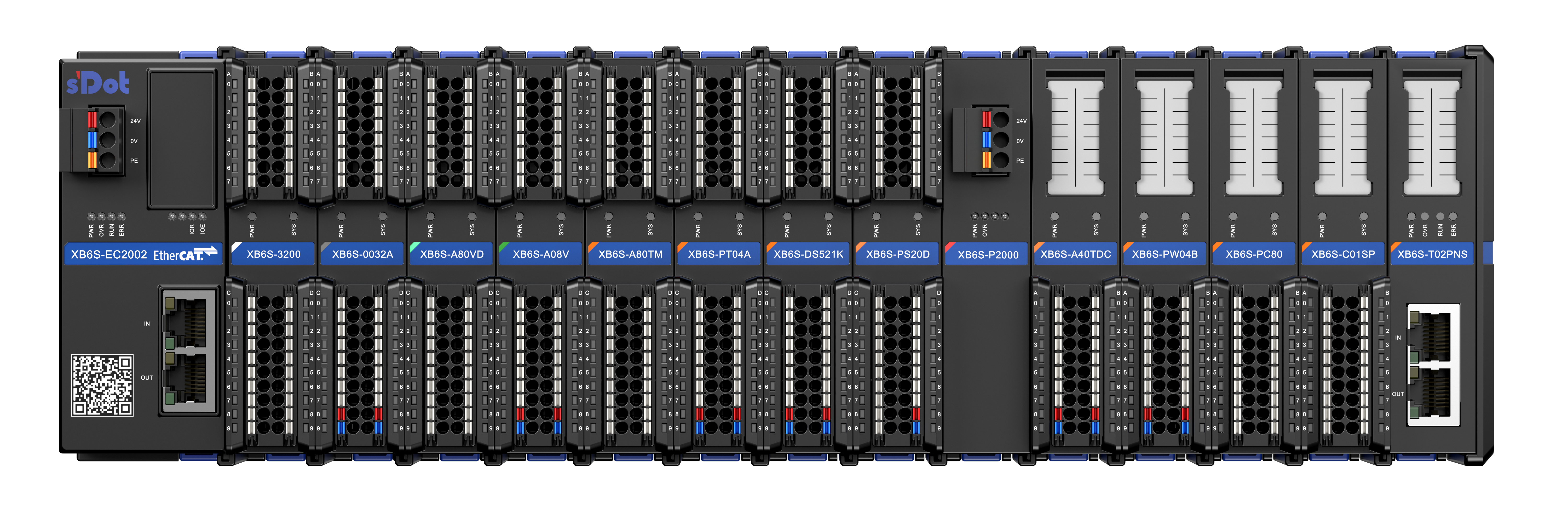
Solidot remote I/O modules of the XB6S series support a variety of bus protocols and offer function modules for motion control and temperature acquisition. The products have passed strict EMC testing, providing excellent noise immunity and eliminating disconnections. They support diagnostics, alarms and exception logging, delivering intelligent feedback and ease of use.
Recommended Products

XB6S-PN2002
PROFINET filedbus coupler module(Flagship model)

XB6S-3200
32-channel digital input module, input NPN/PNP compatible, input filter default 3ms

XB6S-0032B
32-channel digital output module, output PNP type

XB6S-A80I
8-channel analog current input module, Single-ended signaling, adjustable range: Disable, 4mA~20mA, 0mA~20mA

XB6S-A08I
8-channel analog current output module, Single-ended signaling, adjustable range: Disable, 4mA~20mA, 0mA~20mA