Knowledge


The IO-Link protocol has two port types: Class-A and Class-B. Both use the same physical interface coding, namely A-CODE, and the communication protocol is essentially the same. The difference lies in the pin assignment and load capacity.
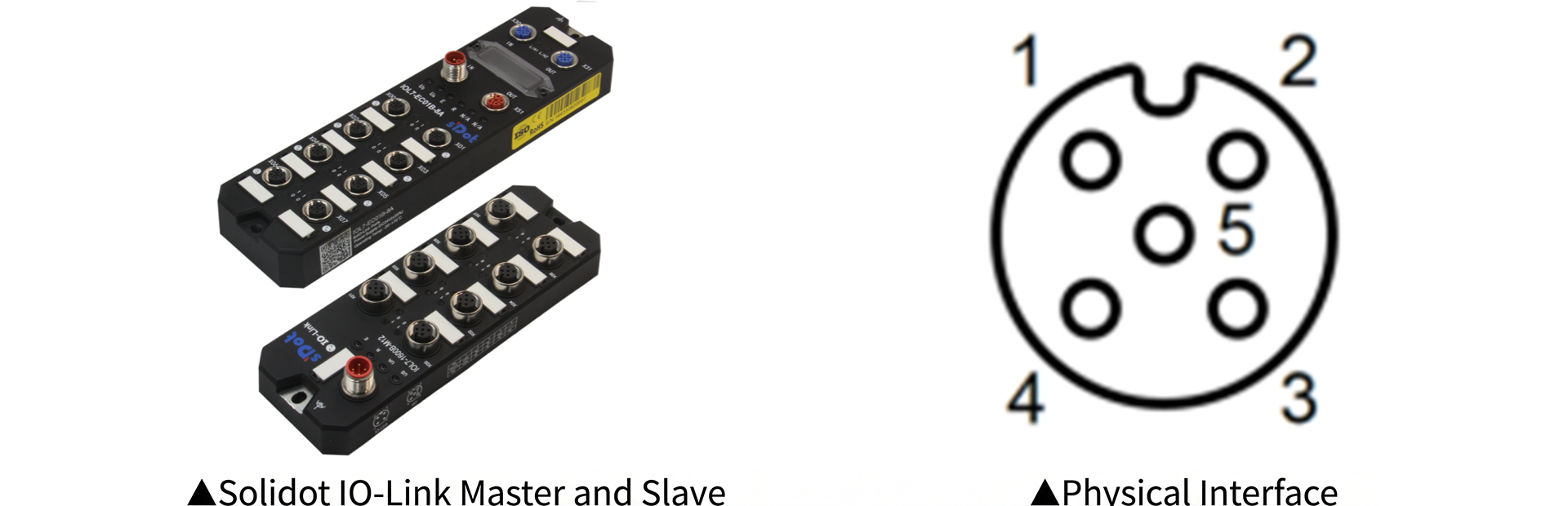
1. Class-A (Class A port)
With only one set of US power supply, the load capacity is weak, and it can only drive input modules or low-power output loads. Pin 2 is a vendor-specific pin, which can be designed as an additional DI/DO channel. When configured as DO, the master transmits UA power to it, which can increase the output load capacity, similar to a Class-B port. The pin assignment is as follows:
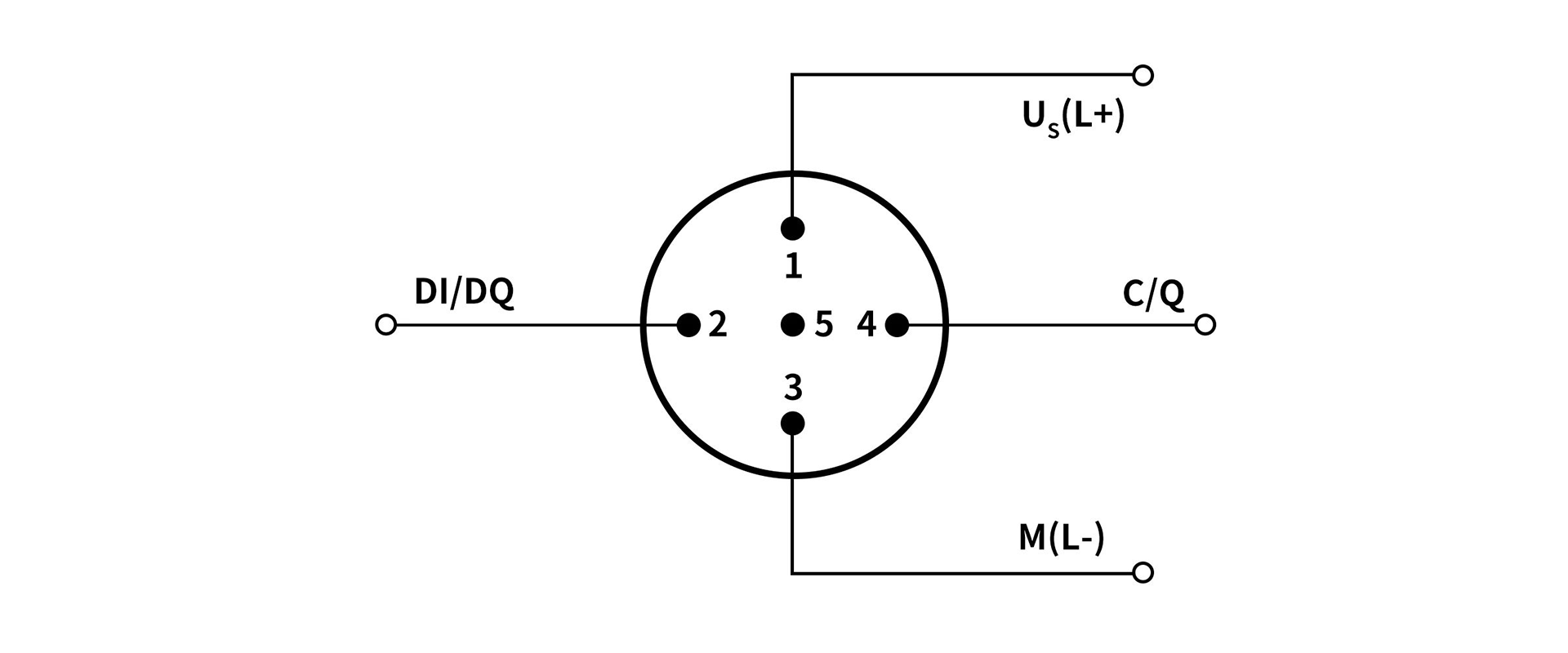
PIN1-Us: provides System Power Supply 24 V+
PIN2-Vendor-specific: used as DI by Shidian Technology 01 series products
PIN3-GNDs: provides System Power Supply 0 V
PIN4-DI/DQ/IO-Link
PIN5-Not used
II. Class-B (Class-B port)
There is an additional power supply, suitable for scenarios with higher current loads. The pin assignment is as follows:
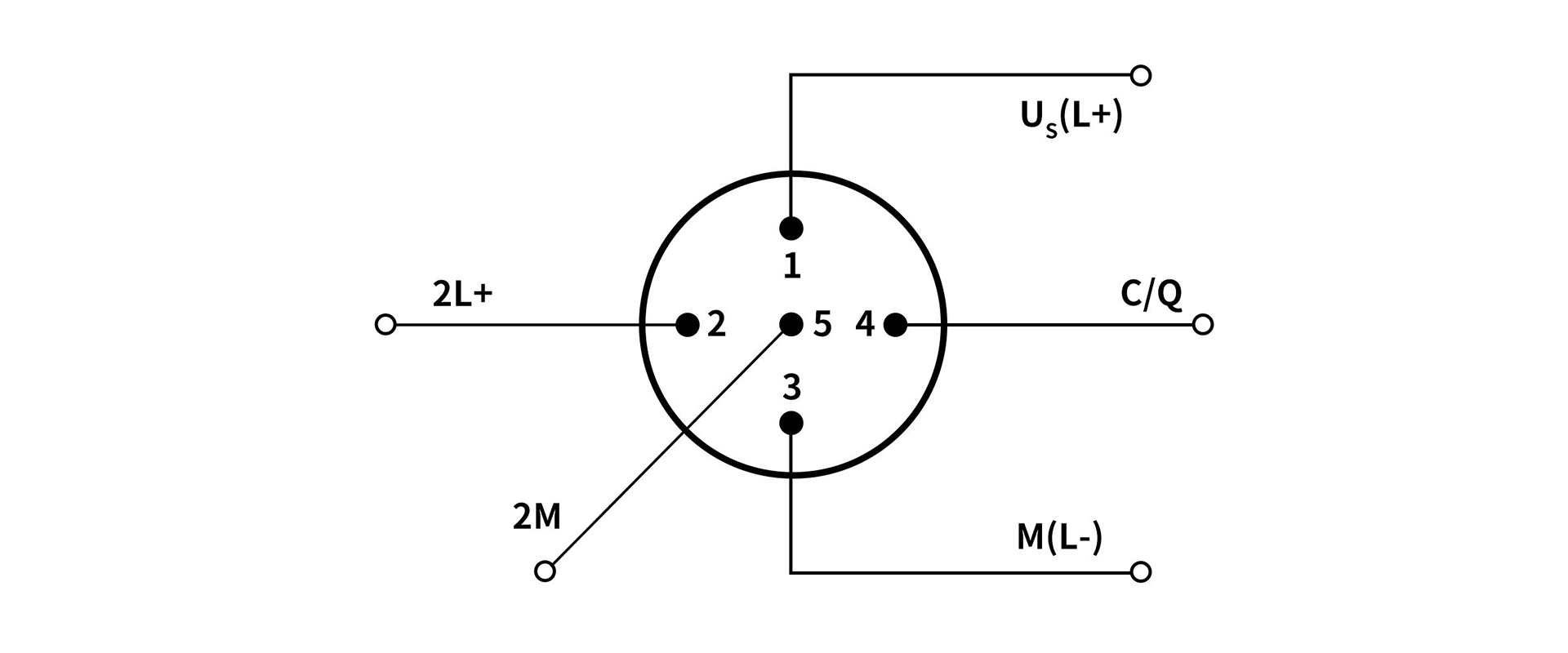
PIN1-Us: Provides System Power Supply 24 V+
PIN2-Ua: Provides Auxiliary Power Supply 24 V+
PIN3-GNDs: Provides System Power Supply 0 V
PIN4-DI/DQ/IO-Link
PIN5-GNDa: Provides Auxiliary Power Supply 0 V
Class-A ports can meet the application requirements of most scenarios, such as common Digital I/O slaves, various sensors, alarm lights, RFID, etc. These products generally only need Us for power supply.
Class-B port products are generally used for high-power actuators, such as solenoid valves. In this case, Us provides the System Power Supply, and Ua provides the Auxiliary Power Supply for the solenoid valve coil to engage.